



From Concept To Molded Plastic
Soaring Metal Raw Material Prices Profoundly Impact the Machining Industry: An Analysis of Cost Transmission and Market Trends
Since 2026, intensifying global geopolitical tensions, supply chain restructuring, and booming demand in the new energy industry have driven steel, copper, aluminum, stainless steel and other metal raw material prices to persist at high and volatile levels. As a core fundamental link in the manufacturing sector, the machining industry features a high proportion of raw material costs. Price fluctuations directly impact corporate profits and product pricing systems, placing the industry amid dual challenges of cost transmission and industrial upgrading.
I. Core Drivers of Rising Metal Raw Material Prices
The continuous surge in metal raw material prices in 2026 results from the combined effect of three major factors: rigid supply-side constraints, explosive demand growth, and macro-geopolitical catalysts.
Supply Side: Prominent Production Capacity Bottlenecks and Resource Constraints
Long development cycles and insufficient capital expenditure: The exploration-to-production cycle for copper ore, bauxite and other key minerals spans 5 to 8 years. Global mining capital investment dropped sharply from 2020 to 2025, with almost no new production capacity launched for core metals including copper and aluminum in 2026.
Deteriorating resource endowments and supply disruptions: Major operating mines face declining ore grades, while new mines are mostly located in remote or deep-sea areas with rising mining costs. Frequent strikes and mine accidents in major copper-producing countries such as Chile and Peru, reduced nickel export quotas in Indonesia, and slower-than-expected tin production resumption in Myanmar have collectively disrupted global metal supply.
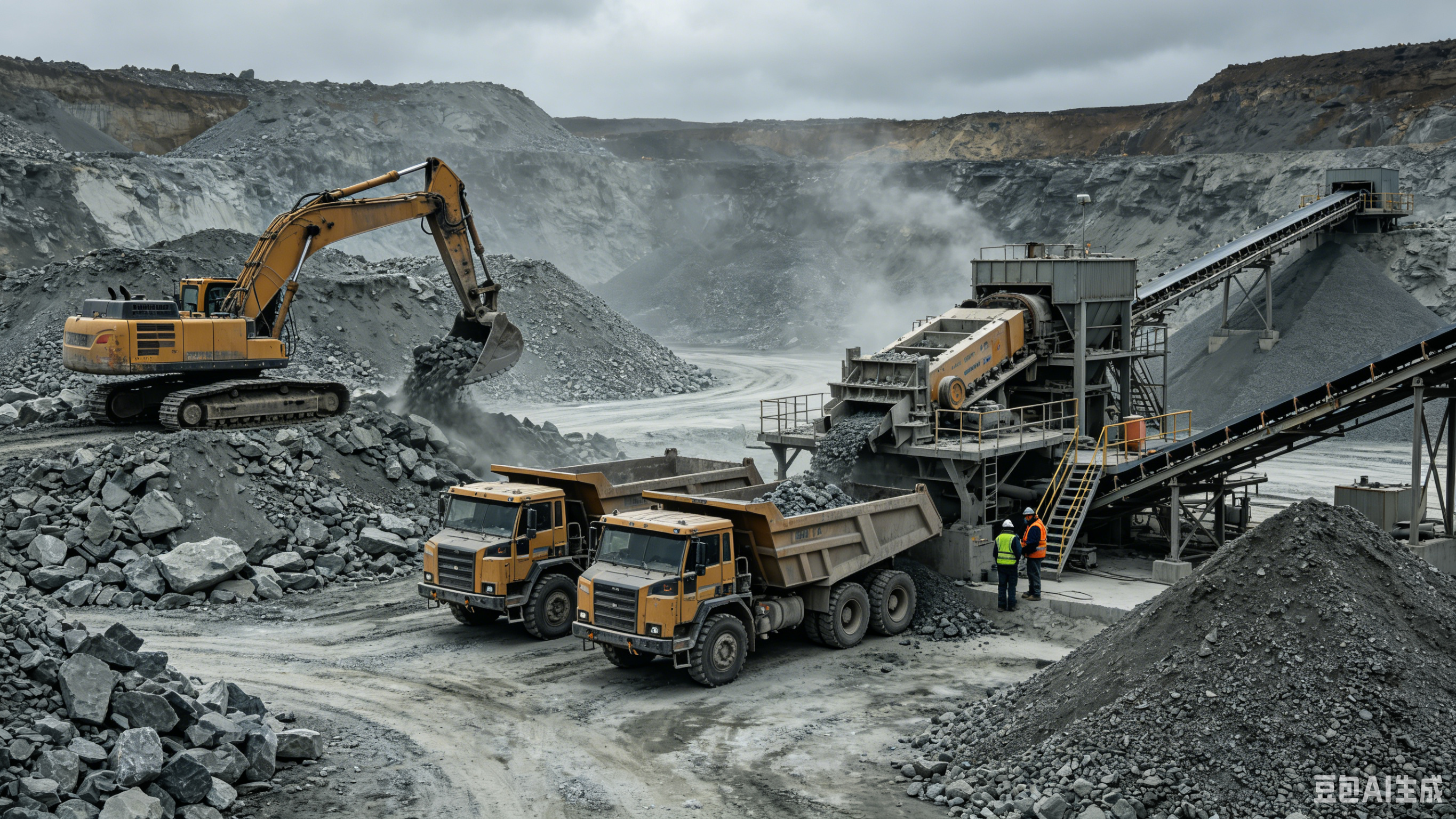
Surging energy costs: The production of electrolytic metals represented by aluminum is highly power-intensive. The global energy crisis has pushed up electricity prices. China’s electrolytic aluminum production capacity has hit the 45 million-ton ceiling with a utilization rate of nearly 100%, leaving almost no flexible supply margin.
Historically low inventory levels: LME copper inventory has fallen below 9,800 tons, hitting a 15-year low; tin inventory stands at merely 3,000 tons, leading to skyrocketing spot premiums and significantly enhanced price volatility.
Demand Side: Dual Growth Drivers of New Energy and AI Computing Infrastructure
Booming new energy industry: New energy vehicles consume 80-120 kilograms of copper and 187-310 kilograms of aluminum per unit, 3-4 times and 2 times the consumption of traditional fuel vehicles respectively. Each megawatt of photovoltaic power generation requires 3-5 tons of copper. With the rapid deployment of wind power and energy storage projects, the global new energy sector will generate over 2.7 million tons of additional copper demand in 2026.
Expanding AI computing infrastructure: A single AI server consumes 3-5 times more copper than an ordinary server. The vigorous construction of data centers has driven strong growth in copper and aluminum demand. Data center copper demand is expected to reach 1.1 million tons by 2030, with a compound annual growth rate of 24%.
Resilient recovery of traditional demand: As the starting year of China’s 15th Five-Year Plan, 2026 witnesses robust infrastructure investment and recovering manufacturing activity. Coupled with the global interest rate cut cycle, overseas manufacturing demand has improved marginally, supporting steady growth in metal consumption.
Macro and Geopolitical Factors: Loose Liquidity and Rising Risk Premiums
Growing expectations for Federal Reserve interest rate cuts have weakened the U.S. dollar, providing liquidity support for dollar-denominated metal prices.
Sustained geopolitical conflicts in the Middle East, Russia-Ukraine and other regions have restructured energy and metal supply chains, with market risk aversion pushing up the risk premium of resource products.
The rise of resource nationalism has tightened export controls on critical metals. China’s stricter export policies for strategic metals including rare earths, tungsten and antimony have further exacerbated supply-demand imbalances.
II. High Proportion of Raw Material Costs and Obvious Price Transmission Effects
Metal raw materials constitute the dominant cost component in the machining industry, accounting for 50% to 70% of total costs on average, with slight variations by product type, process complexity and enterprise scale. Specifically, ferrous raw materials such as ordinary carbon steel and alloy steel account for 50%-60% of costs; non-ferrous metals including stainless steel, copper and aluminum take up 60%-70%; the raw material cost ratio is even higher for precision parts and special alloy products, exceeding 70% for some high-end customized components.
Rising raw material prices exert a direct and amplified transmission impact on finished product prices. Statistics show that every 10% increase in metal raw material prices drives an average 5%-8% rise in machining product prices. For ordinary mechanical parts with low added value and thin profit margins, the cost transmission efficiency is the highest, with 70%-90% of raw material price hikes passed directly to end customers. For mid-to-high-end products such as precision CNC parts and automotive components, enterprises can absorb partial cost increases through process optimization and efficiency improvement, achieving a transmission rate of 50%-70%. In high-end manufacturing fields including aerospace and medical equipment, products have strong premium capabilities and low price sensitivity, with only 30%-50% of cost increases transmitted to terminal prices.

Cost transmission has intensified industry differentiation. Leading enterprises leverage scale advantages, long-term procurement agreements and strong bargaining power to hedge price risks through fixed-price procurement and bulk stocking, stabilizing profitability. In contrast, small and medium-sized machining enterprises with limited capital strength and weak bargaining power struggle to absorb cost increases. They are forced to either raise prices and lose orders or compress profits to the verge of losses, accelerating industry reshuffling.
III. 2026 Metal Raw Material Market Trends: High-level Volatility and Structural Differentiation
The 2026 metal raw material market presents a distinct pattern of “steadily rising ferrous metals, strongly surging non-ferrous metals, and rigid upward trends for minor metals”, driven by supply-demand mismatches, geopolitical conflicts and industrial transformation.
Ferrous metal prices show an overall upward and volatile trend. Supported by controlled domestic crude steel output, continuous environmental production restrictions, and rebounding demand from infrastructure and manufacturing sectors, steel maintains a tight supply-demand balance. As of May 2026, ordinary carbon steel prices have risen by 8%-12% year-to-date, while stainless steel prices have surged 15%-20% backed by high nickel prices. Steel prices are expected to fluctuate at a high level of 4,000-5,000 yuan per ton in the second half of the year, with minimal downside risks.
In terms of non-ferrous metals, copper and aluminum maintain strong market momentum. Persistent insufficient capital expenditure on global copper mining and limited new production capacity, coupled with booming demand from AI computing infrastructure, new energy power grids and new energy vehicles, have created a global copper supply-demand deficit of 830,000 tons in 2026, pushing the copper price center higher with room for record highs. Domestic electrolytic aluminum production has reached a rigid ceiling with high sustained power costs, while overseas supply is disrupted by geopolitical uncertainties. The accelerating aluminum-for-copper substitution trend further tightens market demand, driving electrolytic aluminum prices to rise steadily with an annual growth rate expected at 10%-15%.
Minor metals and special alloy metals feature tight supply-demand balance and strong price rigidity. Tungsten, tin, rare earths and other strategic minor metals face tightened supply-side regulation and restricted mining volume. Surging downstream demand from AI chips, new energy vehicles and military industries keeps market supply in short supply. In 2026, the central tungsten price is expected to range from 900,000 to 1.1 million yuan per ton, tin prices may hit a new high of 500,000 yuan per ton, and rare earth prices will maintain a long-term upward trend driven by structural supply-demand gaps. Overall, metal raw material prices will hardly decline sharply in the short term, and high-level volatility and structural differentiation will remain the mainstream market pattern for a long time.
IV. Feasible Countermeasures for Machining Factories
Facing the long-term high-cost market environment of metal raw materials, machining factories need to adopt targeted, executable short-term and long-term countermeasures from procurement, production, operation and transformation dimensions, to effectively hedge cost risks, stabilize profitability and enhance core market competitiveness.
1. Optimize Procurement and Inventory Management to Hedge Raw Material Price Volatility
Factories shall abandon the traditional sporadic spot procurement model and establish a diversified procurement system. It is advisable to sign long-term fixed-price or floating-price framework agreements with qualified upstream suppliers to lock in medium and long-term procurement costs and avoid losses from short-term price spikes. For multiple metal materials such as steel, copper and aluminum, factories can implement classified dynamic inventory management: maintain a safe inventory of conventional raw materials for mass production to prevent supply shortages, and control low inventory of high-priced, small-batch special metals to reduce capital occupation. In addition, small and medium-sized factories can jointly carry out centralized procurement with peer enterprises to improve bargaining power and reduce unit procurement costs.
2. Upgrade Production Processes to Improve Material Utilization Efficiency
Raw material waste is a key hidden cost of machining production. Factories can optimize cutting, blanking and CNC programming processes to improve the yield rate of metal raw materials and reduce leftover scraps and processing waste. For conventional processing businesses, promote refined production management, unify processing standards, and reduce defective rates and rework losses caused by operational errors. Meanwhile, rationally recycle and reuse recycled materials such as metal scraps, cuttings and waste materials generated in the production process, classify and resell or reprocess qualified recycled materials, and convert waste resources into incremental benefits to offset raw material cost increases.
3. Adjust Product Structure and Optimize Customer Pricing Mechanism
Factories shall actively reduce the proportion of low-value-added, thin-profit conventional processing businesses which are highly sensitive to raw material price fluctuations. Instead, accelerate the transformation to high-precision, customized and high-value-added products such as precision automotive parts, new energy equipment components and aerospace accessories, which have strong premium capacity and weak price sensitivity, effectively resisting cost pressure. In terms of pricing, establish a dynamic cost linkage mechanism: regularly track raw material price changes, and reasonably adjust product quotation standards in a timely manner for long-term orders, so as to realize orderly and controllable cost transmission and avoid blindly compressing profit margins.
4. Promote Intelligent Transformation to Reduce Comprehensive Production Costs
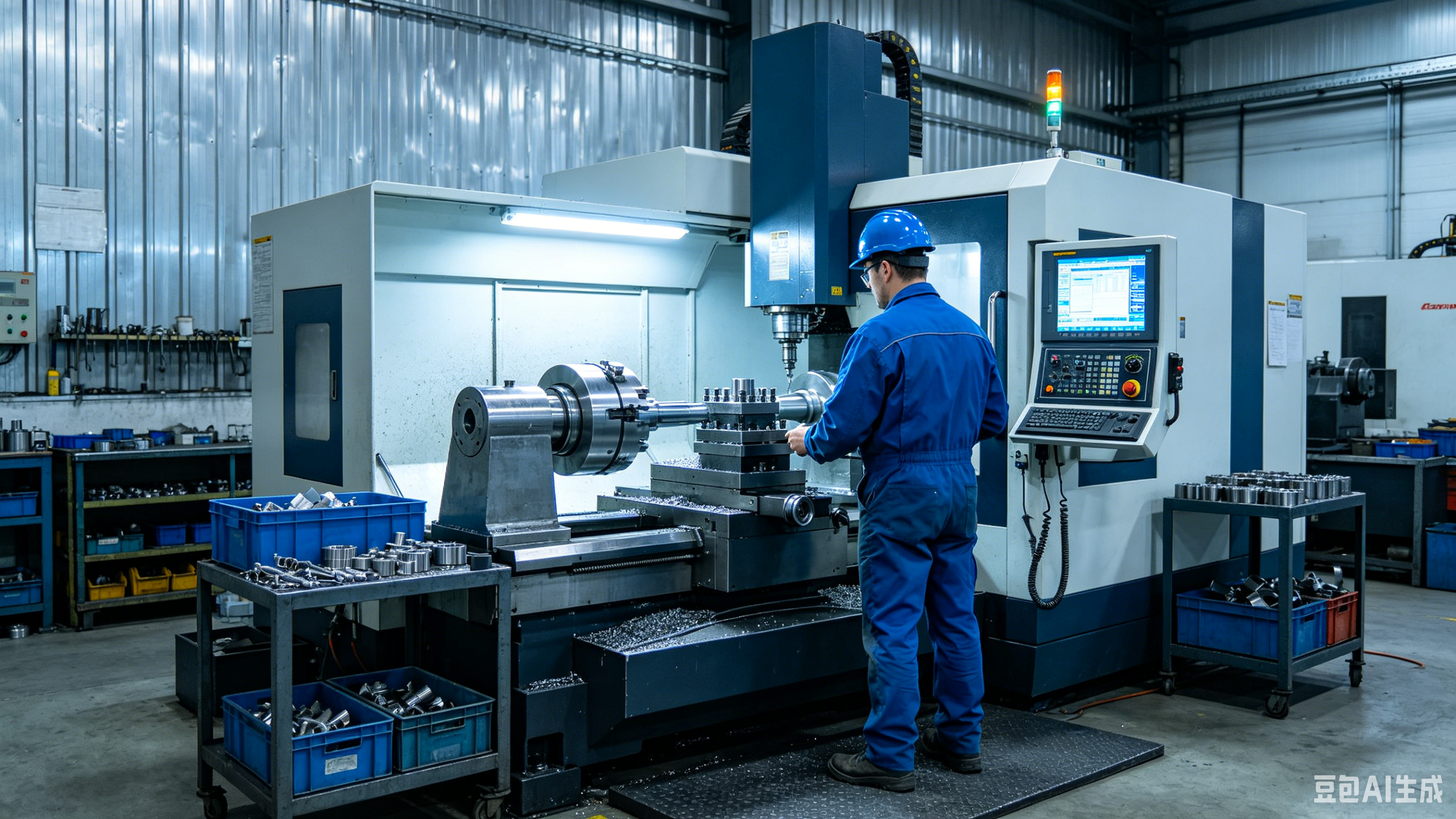
Accelerate the intelligent and digital upgrading of production equipment and management systems. Replace traditional manual processing with automated CNC machine tools, intelligent production lines and digital scheduling systems to improve production efficiency, shorten production cycles and reduce labor and time costs per unit of product. Through digital production management, realize real-time monitoring of material consumption, production progress and quality data, accurately control production costs, eliminate inefficient production links, and offset the incremental cost of raw material price increases with efficiency improvement.
5. Diversify Operation and Enhance Anti-risk Capability
On the premise of stabilizing core processing business, factories can expand diversified downstream markets and customer groups, reduce reliance on a single industry or single customer, and avoid operational risks caused by market demand fluctuations. In addition, strengthen supply chain risk assessment, establish a supplier reserve mechanism, and avoid production stagnation caused by single supplier supply disruptions. For advantageous factories, they can appropriately extend the industrial chain, develop supporting processing and customized service businesses, and further enhance corporate profitability and market anti-risk capability.
6. Strengthen Fine Cost Control and Internal Management
Optimize internal cost accounting, refine the cost statistics of each processing link, equipment and product, accurately locate cost consumption points, and carry out targeted cost reduction and efficiency improvement. Strictly control auxiliary material consumption, equipment energy consumption and workshop operating costs, reduce unnecessary overhead expenses, and create profit space through internal cost reduction to cope with external raw material cost pressure.
Outlook
The long-term high operation of metal raw material prices has become the new normal of the machining industry. In the future, the industry will continue to face cost pressure and structural reshuffling. Machining factories that take the initiative to adjust strategies, optimize production and operation models, and complete industrial upgrading will effectively resolve cost risks, gain differentiated competitive advantages, and achieve stable and high-quality development in the industry iteration.


