



From Concept To Molded Plastic
The Evolving Landscape of Precision Machining
Precision machining remains the backbone of advancedmanufacturing, supporting critical sectors including aerospace, oil and gas,medical devices, automotive and *************s. Traditional subtractive CNCmachining is well-established for tight tolerance control, consistent surfacefinishes and full material traceability. Even so, the entire industry isexperiencing transformative change, driven by digital transformation, new materialdevelopment and rising global sustainability regulations.
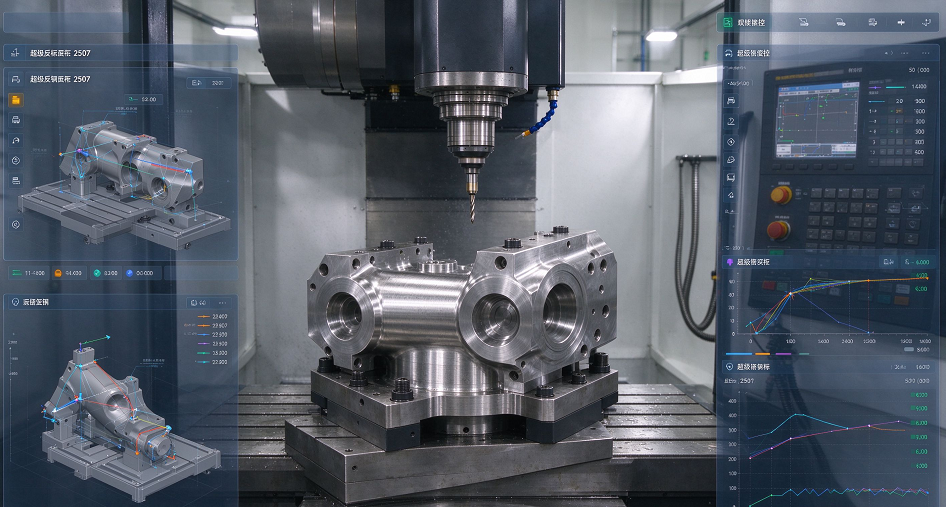
AI and Real-Time Process Intelligence Optimize CNCMachining
Artificial intelligence and real-time processmonitoring are transforming day-to-day CNC operations. Modern machiningequipment integrates sensors to collect spindle load, vibration, temperatureand tool wear data. Machine learning models dynamically adjust cutting speeds,feed rates and tool paths, enabling predictive tool monitoring and predictivemaintenance.
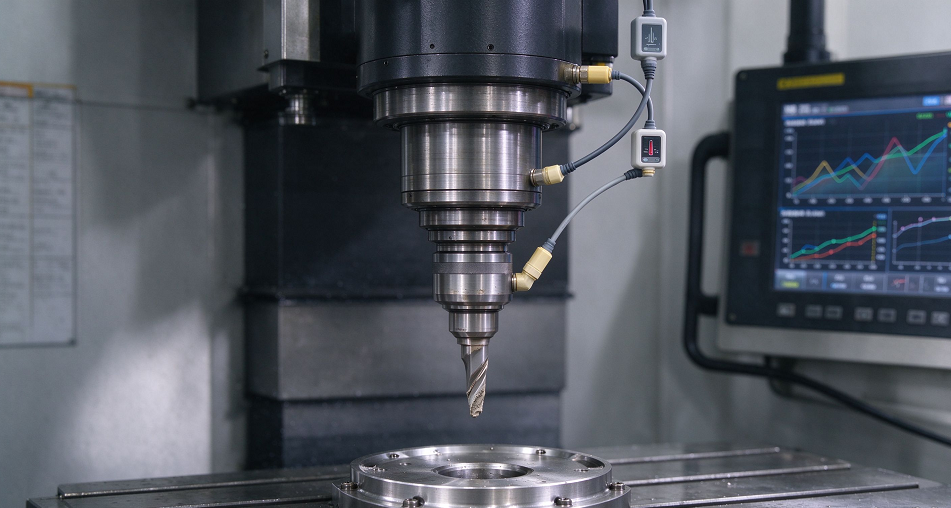
This closed-loop machining control reduces scraprates, extends cutting tool life and stabilizes quality for high-speccomponents such as splines, valve parts and super duplex stainless steelworkpieces, including 2507 super duplex.
Digital Twin Technology Moves From Concept to ShopFloor
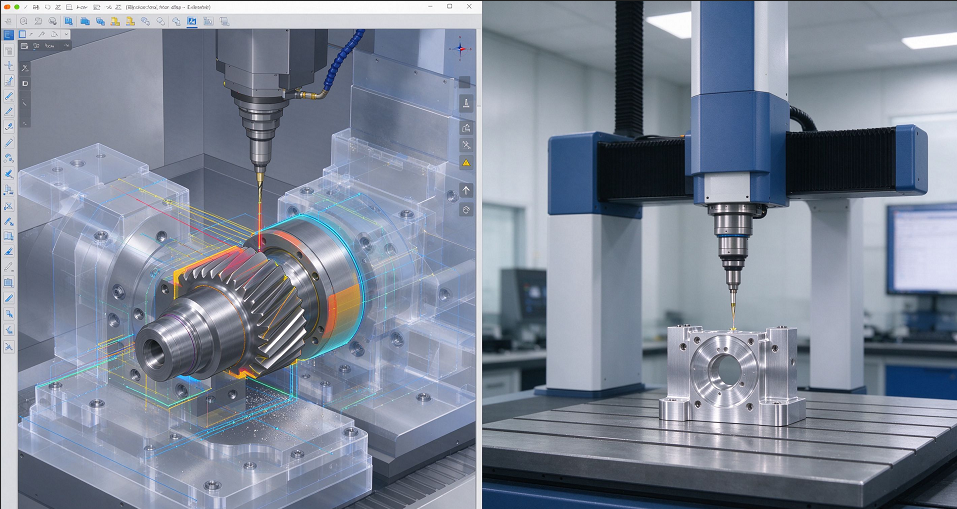
Digital twin solutions are no longer limited toR&D and are becoming standard for production workflows. Before any metalcutting begins, engineers simulate machine motion, detect collision risks,compensate for thermal drift and validate tolerance stacks inside a virtualenvironment.
A connected digital thread links CAD design, CAMprogramming, CNC machining, on-machine probing and CMM inspection. Thisworkflow drastically cuts trial run time, delivering major efficiency gainsespecially for complex 5-axis machining projects.
Hybrid Manufacturing Combines Additive and SubtractiveProcesses
Hybrid manufacturing emerges as a major growthdirection. It integrates additive deposition and precision subtractivemachining within a single machine platform. Manufacturers can buildnear-net-shape complex structures, then machine critical sealing surfaces,bearing faces and spline features to meet strict dimensional and surfaceroughness requirements.
The technology is ideal for repairing high-valueindustrial components and producing lightweight, custom engineered parts forhigh-end markets.
Multi-Axis and Ultra-Precision Micromachining RaiseAccuracy Bars
5-axis machining centers simplify fixturing forcomplex geometries and eliminate errors caused by repeated re-clamping,delivering repeatable precision results. At the same time, growing demand formicro-components pushes tolerance requirements tighter. Many medical and energyprojects now require micron-level accuracy and ultra-low Ra surface roughnessvalues.
Machining of Advanced Alloys Becomes a CoreCompetitive Capability
The ability to reliably machine difficult-to-cutmaterials is increasingly a key differentiator for precision shops. Superduplex stainless steel, high-temperature alloys, titanium and engineeredcomposites are widely specified for harsh-environment applications.
These materials require custom cutting strategies,specialized tool grades and stable process control. Machining teams must masterprocess know-how to prevent work hardening, built-up edge and degradation ofcorrosion performance. For example, UNS S32750 (2507) super duplex cannot beprocessed using conventional carburizing treatments.
Sustainable Low-Carbon Machining Becomes an IndustryPriority
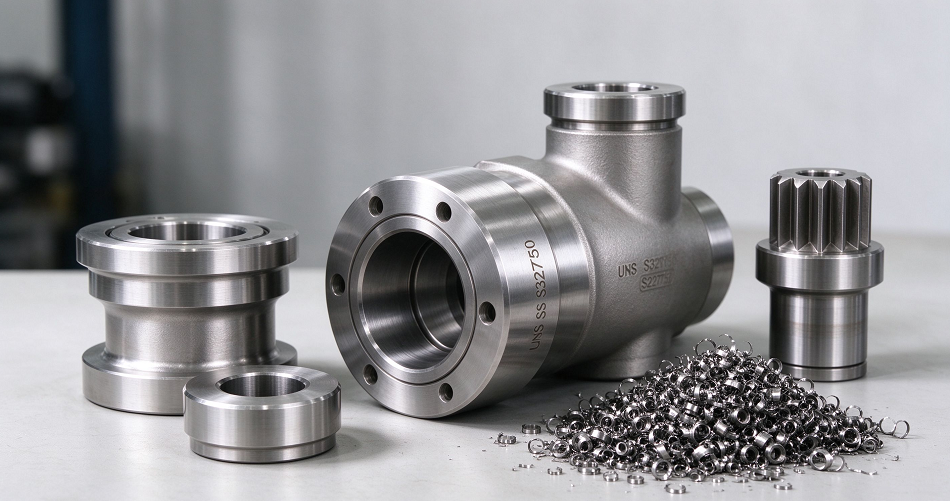
Green manufacturing is shifting from a marketingoption to a mandatory requirement. Fabricators adopt MQL (minimum quantitylubrication), dry cutting strategies, metal chip recycling and energy-efficientmachine modules to reduce coolant waste and lower carbon emissions.
Recycling stainless steel and alloy scrap chipssupports circular economy goals while helping manufacturers reduce overallproduction costs.
Automation Enables Flexible Production for MixedSmall-Batch Orders
Robotic loading and unloading, automated palletsystems and in-line inspection cells help precision workshops handle mixedsmall-batch orders efficiently. Flexible automation balances lead time, unitcost and quality for international industrial buyers.
The Future of Precision Machining
Successful precision machining suppliers will combinedeep practical machining expertise with digital manufacturing tools. CNCsubtractive machining will not be replaced by additive manufacturing. Instead,it will keep evolving into a smarter, connected, greener and ultra-preciseprocess, continuing to supply mission-critical components for global high-techindustries.


